

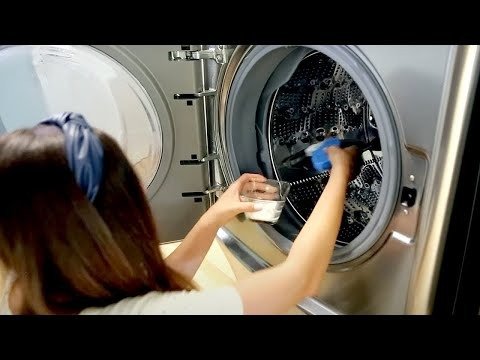
A clean washing machine is the secret behind fresh-smelling clothes and better laundry results. Over time, detergent residue, hard water minerals, dirt, and moisture can build up inside your washer. This hidden buildup often causes bad odors, stains on clothes, and reduced washing performance. Unfortunately, many homeowners forget that washing machines also need regular cleaning.
Cleaning your washing machine doesn’t require expensive products or professional skills. With simple steps and routine care, you can keep your appliance running efficiently while enjoying cleaner, healthier laundry every day.
washing machine repair
Ignoring washer maintenance can eventually lead to serious problems. When soap scum, mold, and debris accumulate inside the drum, hoses, and filters, the machine works harder than it should. This unnecessary strain can result in breakdowns that require costly washing machine repair. Regular cleaning not only prevents unpleasant smells but also protects internal components and extends the life of your appliance.
If you want fresher laundry and fewer mechanical issues, learning how to clean your washing machine properly is essential.
Step 1: Prepare Basic Cleaning Materials
You don’t need harsh chemicals to clean your washing machine. Most effective cleaning can be done using common household items:
- White vinegar
- Baking soda
- Soft microfiber cloth
- Old toothbrush
- Hot water
These ingredients safely remove bacteria, detergent buildup, and odors without damaging the washer.
Step 2: Deep Clean the Washing Machine Drum
The drum is where most buildup occurs, especially if you frequently use cold water cycles.
For top-load washers, fill the drum with hot water and add two cups of white vinegar. Let the washer agitate briefly, then pause the cycle and allow it to soak for one hour. Resume and complete the wash cycle afterward.
For front-load washers, pour vinegar into the detergent compartment and run the longest hot wash cycle. This process disinfects the drum and removes lingering smells.
Step 3: Clean the Detergent Drawer Thoroughly
Detergent and fabric softener often leave sticky residue inside the dispenser drawer. Remove the drawer and soak it in warm water mixed with vinegar. Use a toothbrush to scrub corners and small openings where buildup hides.
Rinse well, dry completely, and reinstall it. This step improves detergent flow and prevents mold growth.
Step 4: Remove Mold from the Rubber Door Seal
Front-loading machines commonly develop mold around the rubber door gasket. Pull the seal gently and inspect for trapped lint or moisture.
Wipe the area using a cloth dipped in vinegar. Scrub stubborn spots carefully and dry the seal completely. Leaving the washer door open after each wash helps prevent future mold formation.
Step 5: Check and Clean the Drain Filter
Most washing machines have a drain filter designed to catch debris like lint, hair, and coins. A clogged filter can cause drainage issues and unpleasant odors.
Place a towel underneath, open the filter slowly, and remove trapped debris. Rinse the filter under warm water and secure it back in place. This simple step improves water flow and overall performance.
Why Dryer Maintenance Shouldn’t Be Ignored
Many homeowners focus only on washing machines while forgetting the dryer. Both appliances work together, and neglecting one affects the other.
dryer repair
Lint buildup inside the dryer drum and vent restricts airflow, increases drying time, and raises the risk of overheating. Poor maintenance often leads to breakdowns that require professional dryer repair. Cleaning the lint trap after every load and scheduling periodic deep cleaning keeps your dryer safe and energy-efficient.
Step 6: Run a Final Baking Soda Cycle
After cleaning all components, run a final hot wash with half a cup of baking soda. Baking soda neutralizes odors, removes leftover residue, and leaves the drum fresh and clean.
Once finished, wipe the interior dry and leave the door open for proper ventilation.
Simple Habits to Keep Your Washer Clean Longer
Developing good laundry habits can significantly reduce buildup:
- Use the correct amount of detergent
- Avoid excessive fabric softener
- Clean the washer once a month
- Keep the door open after use
These small steps help maintain performance and prevent future issues.
When Professional Help Is the Better Option
Sometimes cleaning alone isn’t enough. Strange noises, water leaks, poor spinning, or persistent odors may indicate deeper mechanical problems.
Appliance Repair Edmonton
When maintenance no longer solves the issue, professional Appliance Repair Edmonton services can diagnose and fix problems before they become expensive replacements. Expert technicians ensure your appliances operate safely, efficiently, and reliably.
Final Thoughts
Keeping your washing machine clean is one of the easiest ways to enjoy fresher laundry and avoid unnecessary repair costs. With regular cleaning, smart habits, and timely professional support when needed, your washer will continue delivering excellent results for years to come.
A clean machine means cleaner clothes, better efficiency, and peace of mind—making laundry day simpler and stress-free.